

Introduction:
AI can significantly enhance accuracy, efficiency, and consistency in the advanced petrol and diesel engine reconditioning by utilising data-driven diagnostics and intelligent automation, thereby reducing errors and downtime.
What Is AI Engine Reconditioning in Petrol and Diesel Engines?
AI engine reconditioning signifies the use of artificial intelligence technologies to analyze, restore, and optimize defective or damaged petrol and diesel engines. Instead of relying only on manual inspection and technician experience, AI systems process thousands of engines simultaneously in real time. These parameters include combustion efficiency, oil pressure behavior, thermal cycles, vibration signatures, and component wear patterns specific to petrol and diesel versions. In petrol engines, AI focuses only on ignition timing, fuel-air mixture accuracy, and valve train behavior. In diesel engines, it concentrates on compression ratios, injector performance, turbocharger efficiency, and emissions control systems. By learning from historical reconditioning data, AI systems continuously polished their predictive capabilities, making each subsequent engine rebuild more accurate than the last.
How Does AI Engine Reconditioning Improve Diagnostic Accuracy?
Accurate diagnostics are the basis of successful reconditioning. AI engine reconditioning systems use machine learning algorithms to translate sensor data far beyond human capability. These systems can detect micro-level anomalies that typical tools often miss, like early-stage bearing wear or uneven cylinder combustion. For petrol engines, AI analyzes spark plug behavior, knock sensor feedback, and throttle response patterns. For diesel engines, it improves injector spray consistency, boost plug efficiency, and exhaust gas behavior. The result is a diagnostic process that not only detects current faults but also predicts future failures. This predictive accuracy minimizes unnecessary part replacement and guarantees that only genuinely compromised components are reconditioned.
Why Is AI Engine Rebuilding and Transforming Traditional Practices?
AI engine rebuilding is transforming old workshops by replacing guesswork with measurable intelligence. Historically, engine rebuilding relied on technicians’ intuition developed over years of experience. While valuable, this approach could result in inconsistencies. AI introduces standardization without eliminating human skill. In petrol engine rebuilding, AI determines exemplary tolerances for pistons, crankshafts, and camshafts based on operating history. In diesel engines, it calculates accurate re-machining limits for cylinder bores and evaluates turbocharger wear with commendable accuracy. This results in engines that perform closer to factory specifications, even after great reconditioning.
How Does AI Improve Component Matching in Petrol and Diesel Engines?
Component matching is vital in both petrol and diesel engine reconditioning. AI systems analyze defective rates across multiple components to confirm compatibility and balance. The reconditioning platform assesses piston-ring expansion, bearing clearances, and thermal-stress patterns before authorizing reassembly. For petrol engines, AI guarantees balanced combustion across cylinders, boosting smoothness and fuel efficiency. In diesel engines, it optimizes compression uniformity, which is vital for torque delivery and emissions control. This intelligent matching decreases vibration, noise, and premature wear after rebuilding.
What Role Does AI Play in Reducing Reconditioning Time?
Time efficiency is a key advantage of AI engine rebuilding. AI-powered checkup tools can scan engine blocks, cylinder heads, and crankshafts in minutes rather than hours. Automated defect recognition accelerates the decision-making process while maintaining accuracy. In petrol engines, AI accelerates defect isolation in complex ignition and fuel delivery systems. In diesel engines, it quickly evaluates injector and turbocharger health. Faster diagnostics and decision-making enable workshops to complete reconditioning projects more quickly without sacrificing quality, resulting in reduced vehicle downtime.
How Does AI Enhance Quality Control in Engine Reconditioning?
Quality control is one of the strongest advantages of AI engine reconditioning. AI systems validate every step of the reconditioning process, from initial teardown to final stricter testing. Sensors observe torque values, assembly alignment, and fluid pressure consistency during reassembly. For petrol engines, AI confirms ignition synchronization and combustion balance during test runs. For diesel engines, it observes compression stability and exhaust emissions behavior. If deviations occur, AI flags them quickly, guaranteeing corrective action before the engine leaves the workshop. This level of quality assurance impressively reduces post-rebuild failures.
What Are the Cost Benefits of AI Engine Reconditioning?
While AI technology needs initial investment, long-term cost savings are substantial. AI engine rebuilding decreases unnecessary part replacement, minimizes rework, and lowers warranty claims. Predictive services insights help workshops plan reconditioning schedules more efficiently. For petrol engines, boosted combustion efficiency after AI-guided rebuilding results in better fuel economy for owners. For diesel engines, optimized compression and injection systems lead to longer service intervals. These benefits boost customer satisfaction while enhancing workshop profitability.
How Does AI Support Sustainability in Petrol and Diesel Reconditioning?
Sustainability is becoming increasingly vital in automotive repair. AI engine reconditioning supports environmental goals by increasing engine life and reducing waste. By restoring rather than replacing engines, workshops decrease raw material consumption and energy usage. In petrol engines, AI confirm cleaner combustion and reduced emissions after reconditioning. In diesel engines, it improves injector performance and exhaust treatment systems to lower particulate output. This aligns engine rebuilding practices with advanced environmental standards while maintaining performance.
What Challenges Exist in Adopting an AI Engine Rebuilding?
Although the AI engine rebuilding experience has notable advantages, it also comes with challenges. Data quality is essential, as inaccurate input can affect outcomes. Expert technicians must also be trained to interpret AI suggestions correctly. AI does not replace human expertise; it improves it. For petrol and diesel engines alike, workshops must combine AI tools with existing equipment and workflows. Once implemented effectively, however, these challenges diminish, and the benefits of accuracy, consistency and reliability become evident.
How Will AI Shape the Future of Petrol and Diesel Engine Reconditioning?
The future of AI engine reconditioning depends on continuous learning and deeper integration. As AI systems process more petrol and diesel engine data, their predictive accuracy will further enhance. Engines will be reconditioned with increasingly precise tolerances, prolonging service life beyond normal expectations. Advanced AI platforms may soon simulate engine behavior post-rebuild, enabling technicians to improve performance before the engine is even started. This will set the new quality standards in engine reconditioning and rebuilding.
Conclusion:
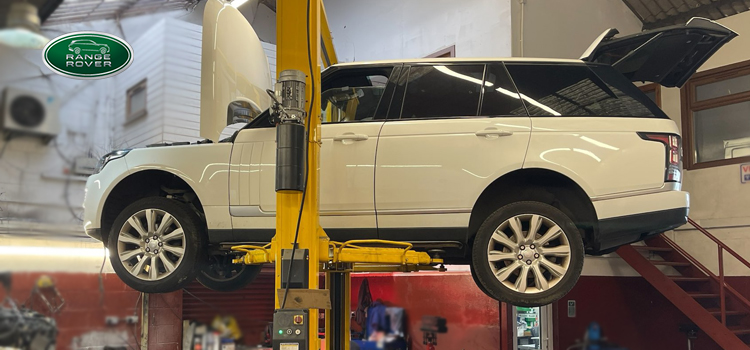
AI is not just boosting engine reconditioning; it is redefining it. Through smarter diagnostics, meticulous rebuilding, improved quality control, and sustainability advantages, AI engine reconditioning and AI engine rebuilding are setting new standards for petrol and diesel engines. As technology transforms, workshops that adopt AI-driven processes will deliver excellent reliability and performance. For those looking for expert, forward-thinking solutions, Range Rover Engine Specialists exemplifies how the latest technology and skilled techniques can work together to achieve incredible engine reconditioning results.
FAQs:
How does AI improve engine diagnostics during reconditioning?
AI analyzes real-time sensor data to detect micro-level defects that traditional methods may miss. It also predicts future failures, guaranteeing only necessary components are reconditioned.
Is AI engine reconditioning suitable for both petrol and diesel engines?
Yes, AI systems are designed to handle petrol-specific factors like ignition timing and fuel mix. For diesel engines, AI focuses on compression, injector performance, and emissions control.
Does AI replace skilled technicians in engine rebuilding?
No, AI improves technician expertise by providing accurate, data-driven insights. Human judgment remains essential for interpreting results and making final decisions.
Can AI reduce the time required for engine reconditioning?
AI-powered inspections and automated diagnostics impressively shorten assessment times. This allows workshops to complete reconditioning faster without sacrificing quality.
What long-term benefits does AI bring to engine reconditioning workshops?
AI reduces rework, unnecessary part replacement, and warranty claims. It also enhances consistency, customer satisfaction, and overall workshop profitability.