
Introduction:
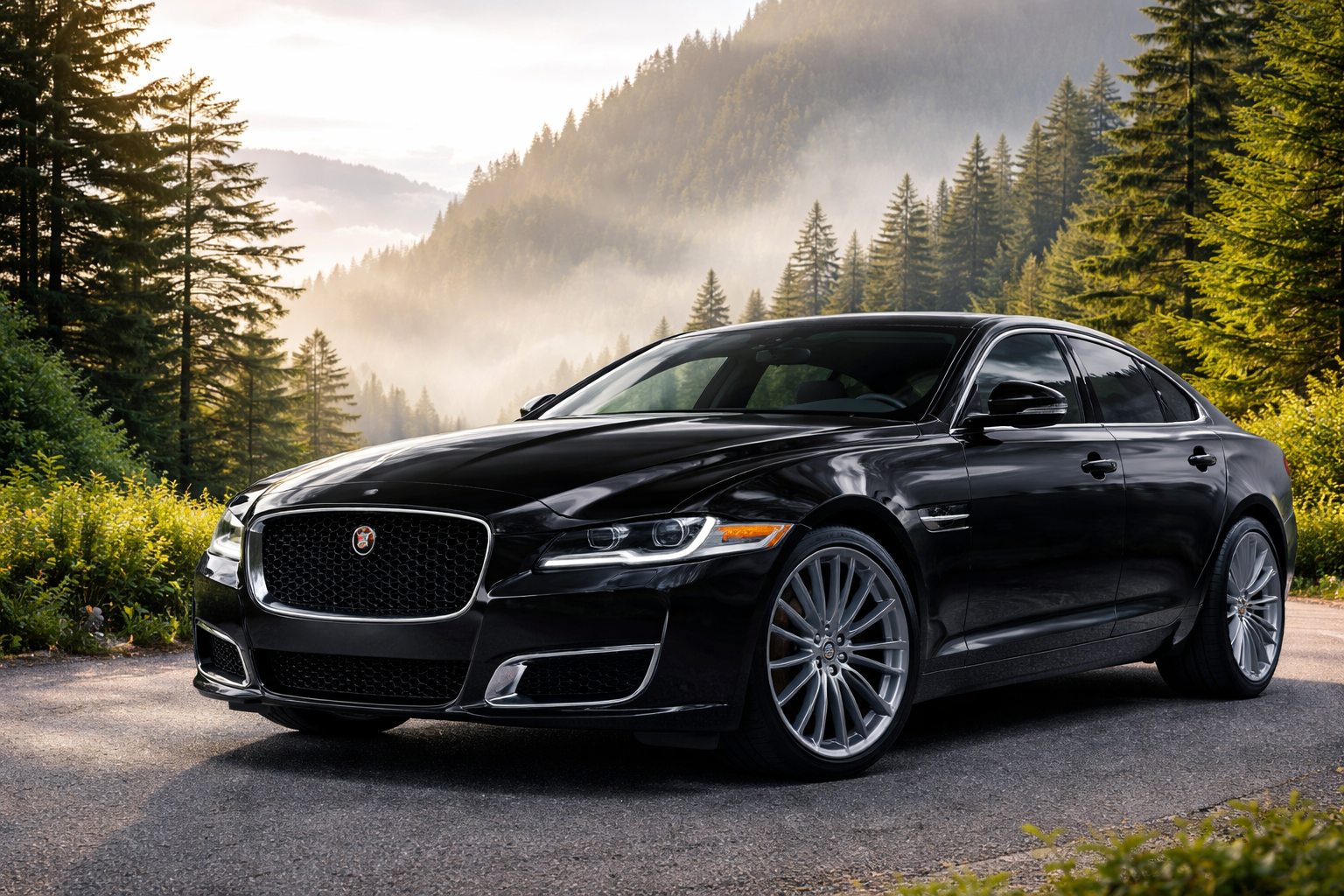
The moment a luxury engine begins to emit visible smoke, it disrupts the excellent driving experience expected from a premium vehicle. Owners of high-performance sedans often associate smoothness with perfection, so any abnormal exhaust behaviour can immediately become a serious concern. In the case of the Jaguar XJ 5.0 V8 engine smoke, the issue generally points to underlying mechanical inefficiencies that demand quick attention. The presence of smoke from the exhaust in petrol and diesel versions signals incomplete combustion, oil leakage, or internal wear. Identifying the major cause early not only preserves engine performance but also prevents expensive repairs that can arise from ignorance.
Understanding Engine Smoke in Luxury Sedans
Modern engines are designed for precision, and both petrol and diesel systems depend on finely balanced combustion processes. When smoke appears, it shows a disruption in this balance. In petrol engines, the combustion cycle depends only on air-fuel mixture accuracy, while diesel engines depend on compression ignition. Any deviation in these systems can cause visible emissions. The Jaguar XJ 5.0 V8 engine smoke issue is often related to high mileage, inadequate maintenance, or component failure. Since this engine is built for power and refinement, even minor defects can produce noticeable symptoms.
Common Causes Behind Excessive Smoke
Engine smoke can appear in different colours, each showing a specific problem. Blue smoke usually points to burning oil, white smoke suggests coolant leakage, and black smoke indicates too much fuel consumption. In petrol engines, defective piston rings or valve seals are common reasons for oil entering the combustion chamber. Diesel engines, meanwhile, may experience injector defects or inefficiencies in the turbocharger. Another frequent contributor to Jaguar XJ 5.0 V8 engine smoke is crankcase ventilation breakdown. When the PCV system malfunctions, pressure builds up inside the engine, forcing oil into areas where it should not be present. This results in visible smoke and decreased efficiency.
Internal Wear and Engine Failure Risks
As engines age, internal components naturally wear down. Pistons, cylinders, and bearings lose their precision fit, enabling oil and fuel to mix improperly. This condition accelerates deterioration and results in what is often described as a 5.0 V8 engine failure. Once this stage is reached, the engine may experience reduced compression, misfires, and excessive emissions. In diesel versions, carbon buildup plays a significant role. With extended use, soot deposits form in the combustion chamber and exhaust, obstructing airflow and causing inefficient combustion. This not only generates smoke but also reduces power output and fuel efficiency.
The Role of Fuel Quality and Maintenance
Fuel quality directly affects engine health. Low-grade fuel can leave deposits inside the engine, blocking injectors and disrupting combustion. Petrol engines may face knocking and inefficient burning, while diesel engines may suffer injector spray pattern issues. Regular maintenance is vital to prevent the Jaguar XJ 5.0 V8 engine from developing smoke. Oil changes, filter replacements, and system diagnostics guarantee that all components function correctly. Ignoring these basic practices often results in long-term damage that could have been avoided.
Turbocharger and Exhaust System Issues
In both petrol and diesel versions, turbochargers play a vital role in enhancing performance. When a turbocharger fails, it can leak oil into the exhaust system, causing blue smoke. This is a common issue in high-performance engines that work under intense pressure. Exhaust system restrictions can also contribute to smoke. Catalytic converters and diesel particulate filters are built to reduce emissions, but when they become blocked, they restrict airflow. This forces the engine to work harder, causing overheating and visible smoke output.
Diagnosing the Problem Accurately
Accurate diagnosis is essential for resolving engine smoke issues. Professional inspection tools can detect whether the problem lies in the combustion chamber, fuel system, or exhaust components. Compression tests, leak-down tests, and electronic diagnostics provide deep insights into engine health. Ignoring early indications of the Jaguar XJ 5.0 V8 engine smoke often leads to more severe complications. What begins as a minor problem can quickly escalate into a full engine rebuild if not handled promptly.
Repair Solutions and Engine Reconditioning
Repairing engine smoke issues relies on the severity of the problem. Minor defects such as valve seal wear or injector cleaning can be resolved without major intervention. However, severe internal damage may need a complete overhaul. A reconditioned XJ engine offers a workable solution for vehicles experiencing extensive wear. Reconditioning includes restoring engine components to their original specifications, ensuring ideal performance and longevity. This process is often more reasonable than replacing the engine entirely while delivering comparable results.
Preventing Future Engine Smoke Problems
Meticulous care remains the most effective way to avoid engine smoke. Consistent servicing, good-quality fuel, and timely replacement of worn components keep the engine running smoothly. Checking oil levels and engine temperature also helps detect potential problems before they become serious. Drivers should remain attentive to any changes in engine behaviour. Strange sounds, reduced performance, or visible smoke are clear indicators that the engine requires quick attention. Addressing these signs early guarantees that the vehicle maintains its performance standards.
Long-Term Impact on Performance and Value
Engine smoke not only affects performance but also decreases the overall value of the vehicle. Luxury sedans are well-known for their refinement, and any visible emission can impressively impact their appeal. Maintaining engine health is important for preserving both performance and resale value. Repeated instances of Jaguar XJ 5.0 V8 engine smoke can lead to permanent damage if neglected. Over time, this may result in complete engine failure, requiring expensive repairs or replacement. Investing in meticulous maintenance and timely repairs confirms that the vehicle continues to deliver its intended driving experience.
Conclusion
Engine smoke is a clear sign that something within the system is not functioning as intended. Whether in petrol or diesel versions, the causes range from minor component defects to severe internal damage. Understanding these issues and handling them promptly can prevent escalation into a 5.0 V8 engine failure. For those facing continuous problems, choosing a reconditioned XJ engine can restore performance and reliability without the expense of a brand-new unit. Professional expertise plays a vital role in diagnosing and resolving these issues effectively. Maintaining a high-performance engine needs attention, care, and timely intervention. Trusted specialists such as Range Rover Engine Specialists provide the expertise required to keep luxury engines running smoothly, guaranteeing that performance and refinement remain uncompromised.
FAQs:
Why does my Jaguar XJ 5.0 V8 produce blue smoke?
Blue smoke typically indicates that engine oil is burning inside the combustion chamber due to worn piston rings or valve seals. This issue should be handled quickly to prevent further internal engine damage.
Is white smoke from the exhaust a serious problem?
White smoke often indicates coolant leakage into the engine, possibly due to a blown head gasket. If ignored, it can lead to overheating and severe engine breakdown.
Can poor fuel quality cause engine smoke?
Yes, low-quality fuel can create deposits that affect combustion efficiency and injector performance. This results in incomplete burning and visible exhaust smoke.
How can I fix the smoke coming from my engine?
The fix depends on the cause, ranging from replacing seals and cleaning injectors to complete engine reconditioning. A proper diagnostic test is vital to identify the exact issue.
Can regular maintenance prevent engine smoke issues?
Regular servicing, like oil changes and filter replacements, keeps engine components functioning properly. Consistent maintenance greatly minimises the risk of smoke and costly repairs.