

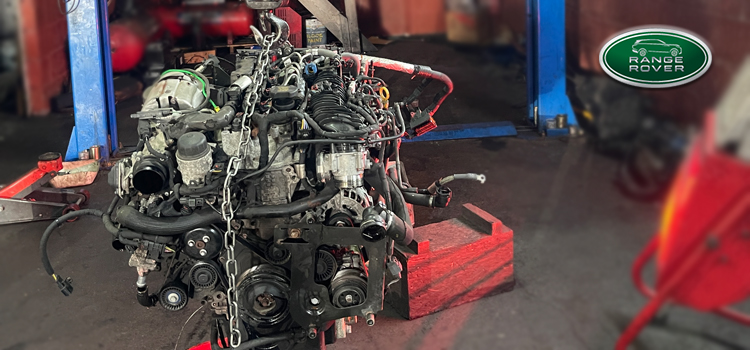
Introduction:
UK motorists are increasingly selecting reconditioned engines because they offer a reliable, reasonable alternative to full vehicle replacement. This shift is reshaping the reconditioned engine trend in the UK, particularly for petrol and diesel vehicles facing age-related wear.
What Is Driving the Rapid Growth of the Reconditioned Engine Trend in the UK?
The growing demand in the reconditioned engine trend in the UK is closely tied to rising new-car prices, stringent environmental expectations and the prolonged lifespan of modern petrol and diesel vehicles. Drivers who once thought about selling an ageing car now realise that replacing a failing engine can restore performance at an affordable cost. This trend is further strengthened as more workshops specialise in good-quality engine rebuilding, making the option more accessible to everyday motorists.
Issues such as reduced mileage, knocking, and excess smoke often disappear once a vehicle receives a properly rebuilt engine. With UK roads full of long-lasting models such as Fords, Volkswagens, BMWs and Land Rovers, many drivers are discovering that a reconditioned engine gives them some more years of dependable use without the financial burden of buying a new vehicle.
How Do Reconditioned Engines Compare to New or Used Engines?
A reconditioned petrol or diesel engine is different from new and used units in both performance and long-term value. A new engine offers the highest assurance of reliability, but its price often equals or exceeds the value of a ten-year-old vehicle. A used engine is low-cost, but its internal condition is unknown, and hidden defects may result in early failure. A skillfully rebuilt unit sits in the middle, offering a balanced solution. It integrates cost savings with the assurance that vital components, pistons, bearings, gaskets, valves and seals, have been restored or replaced. For many drivers, this brings comfort similar to buying new, but without the financial strain. This is also why the replaced engine trend UK continues to grow among owners who want reliable performance rather than gambling on used parts.
Why Are Petrol Drivers Turning Towards Engine Reconditioning?
Petrol engines in the UK often face carbon buildup, timing chain wear and oil consumption as mileage increases. These problems can be costly to fix individually, and most garages advise replacement when the internal damage is extensive. Petrol-powered vehicles, particularly compact city models, remain popular for shorter commutes, which often places repeated cold-start stress on the engine. Owners shared that a reconditioned petrol engine brings back powerful compression, steadier emissions and significantly sharper acceleration. Higher-mileage cars regain a smooth idle and better fuel economy, making the car feel noticeably newer. This option attracts urban drivers who want to maintain a reliable daily vehicle without investing heavily in a new version or taking out long-term finance. For petrol drivers, the shift toward reconditioning is not just about reasonability but also about preserving the drivability they are used to.
Why Are Diesel Drivers Choosing Reconditioned Engines More Than Ever?
Diesel engines dominate among UK drivers who want torque, towing strength and long-distance efficiency. However, diesels generally put more stress on components such as injectors, turbochargers, and cylinder heads. When these parts begin to fail together, the price of repair can be overwhelming. A reconditioned diesel engine solves this by restoring the engine’s internal health while keeping the vehicle roadworthy for many more years. The shift is especially attractive to fleets, tradies, and rural motorists, who value the reduced downtime that comes with a rebuilt diesel engine. Instead of expensive downtime or buying a new vehicle, a reconditioned engine can be fitted fast, so they can return to the job. This reliability is a main reason the reconditioned engine trend UK is accelerating across commercial and private diesel cars.
What Makes Engine Reconditioning a Better Long-Term Investment?
Drivers who install a reconditioned petrol or diesel engine often observe a dramatic improvement in running costs. Reduced oil consumption, more efficient combustion and effortless power delivery all contribute to cleaner, more economical driving. Since each defective component is identified and replaced during rebuilding, the car avoids repeat visits to the garage that generally come with ageing engines. The longevity of a rebuilt unit can rival that of a newer engine when the work is carried out by expert technicians. Many reconditioned engines come with warranties, which add reassurance for owners who want reliable performance. In comparison, used engines usually offer limited coverage and may carry the same hidden wear that caused the previous unit to fail.
How Has the UK Car Market Encouraged This Shift?
The UK car market has changed dramatically in the last decade. New vehicles, especially petrol and diesel models, have become more costly because of technology upgrades, emissions regulations and rising production costs. On the other hand, the cost-of-living pressures have made drivers more careful about spending on large purchases. The option of fitting a replaced engine has given drivers a practical option. Instead of discarding a vehicle with otherwise solid bodywork, electronics and suspension, owners can invest in the engine alone. By doing this, you keep your vehicle running effortlessly, minimize environmental impact, and save money in the long run. As public awareness grows, more motorists view reconditioning as a smart way to increase the life of a car they already trust.
Why Is Environmental Impact Influencing Engine Replacement Decisions?
Sustainability now plays a key part in consumer behaviour, and engine reconditioning supports a more environmentally friendly approach to vehicle ownership. Rebuilding an engine consumes impressively fewer resources than producing a new one. It minimizes the demand for raw materials and lowers the carbon footprint associated with production and transport. Petrol and diesel drivers who want to lessen their environmental impact without switching to electric vehicles are increasingly drawn to this solution. Keeping an existing vehicle running efficiently is often greener than buying a brand-new model, particularly when battery production and disposal are considered. This perspective is contributing to the continued rise of the reconditioned engine trend UK across both rural and urban regions.
What Should UK Drivers Consider Before Choosing a Reconditioned Engine?
Before deciding on an engine replacement, drivers should confirm the workshop’s reputation, the extent of the rebuild, and the warranty offered. A fully reconditioned petrol or diesel engine should have undergone full examination, machining and component replacement where essential. The right specialists will explain every step of the procedure and offer a clear breakdown of the work completed.
Understanding these factors helps drivers guarantee they are getting a good-quality rebuild that restores the performance and reliability of their vehicle. When done accurately, the investment pays off through years of dependable driving and an impressively lower total cost of ownership.
Conclusion
The growing shift toward reconditioned petrol and diesel engines shows a practical, cost-saving and environmentally conscious mindset among UK drivers. As the reconditioned engine trend UK grows alongside the replaced engine trend UK, drivers are increasingly recognising that rebuilding an engine offers a perfect blend of cost-effectiveness and performance. For drivers wanting expert support and high-quality workmanship, Range Rover Engine Specialists remains a trusted option for long-lasting engine restoration.
FAQs:
Are reconditioned diesel engines legal in the UK in 2025?
Yes, they are legal if rebuilt to manufacturer specifications, with all emissions systems intact and full documentation.
What emissions requirements must a reconditioned diesel engine meet?
Diesel engines must retain functioning DPFs, EGR systems, and sensors, guaranteeing combustion and particulate levels comply with regulations.
How can I prove a rebuilt engine is compliant?
A rebuild certificate from an accredited specialist confirms identification numbers, machining work, and emissions system functionality.
Will installing a reconditioned engine affect my insurance?
If fully certified, insurance generally treats it as equivalent to the original engine, preserving premiums and coverage.
What should I check when choosing a rebuild provider?
Look for in-house machining, documented work, verified emissions compliance, and warranty coverage to confirm legal and reliable installation.